Kickapoo Water Rights
May 28, 2015
Water is life for the Kickapoo Tribe in Kansas and for many tribes across the United States. The Kickapoo Tribe has been involved in a long-term water dispute involving access to clean water. AIHREA commonly receives questions about whether contaminants in the drinking water are causing cancer on the reservation.
Facts:
- The Delaware River provides water for the Kickapoo reservation. During drought periods, the Delaware River goes dry, leaving residents with no water for drinking, bathing, cooking, or fighting fires.
- According to the Environmental Protection Agency, the water supply for the Reservation is in violation of the Safe Drinking Water Act (SWDA) of 1974 [link: Click here]. The SWDA sets maximum contaminant level (MCL) standards for drinking water.
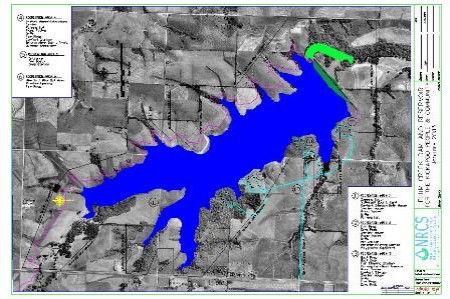
- A 2003 EPA Water Needs Assessment [link: Click here] has concluded the Plum Creek Reservoir Project is the most cost-effective and reliable solution to improving the tribe’s water supply. A reservoir would provide water to over 1,000 people, including non-Indians, in the area.
- The U.S. Department of Agriculture has agreed to assist with funding, however, the tribe must secure land rights to build it, either through land agreements or by the federal government asserting eminent domain [link: Click here] .
- In June 2006, the Kickapoo Tribe in Kansas, represented by NARF (a non-profit legal team which assists tribes), filed a federal court lawsuit in an effort to enforce express promises made to the Tribe to build a Reservoir Project. In 2013, NARF [link: Click here] filed numerous discovery and dispositive motions with the Court, and are awaiting ruling on the motions.
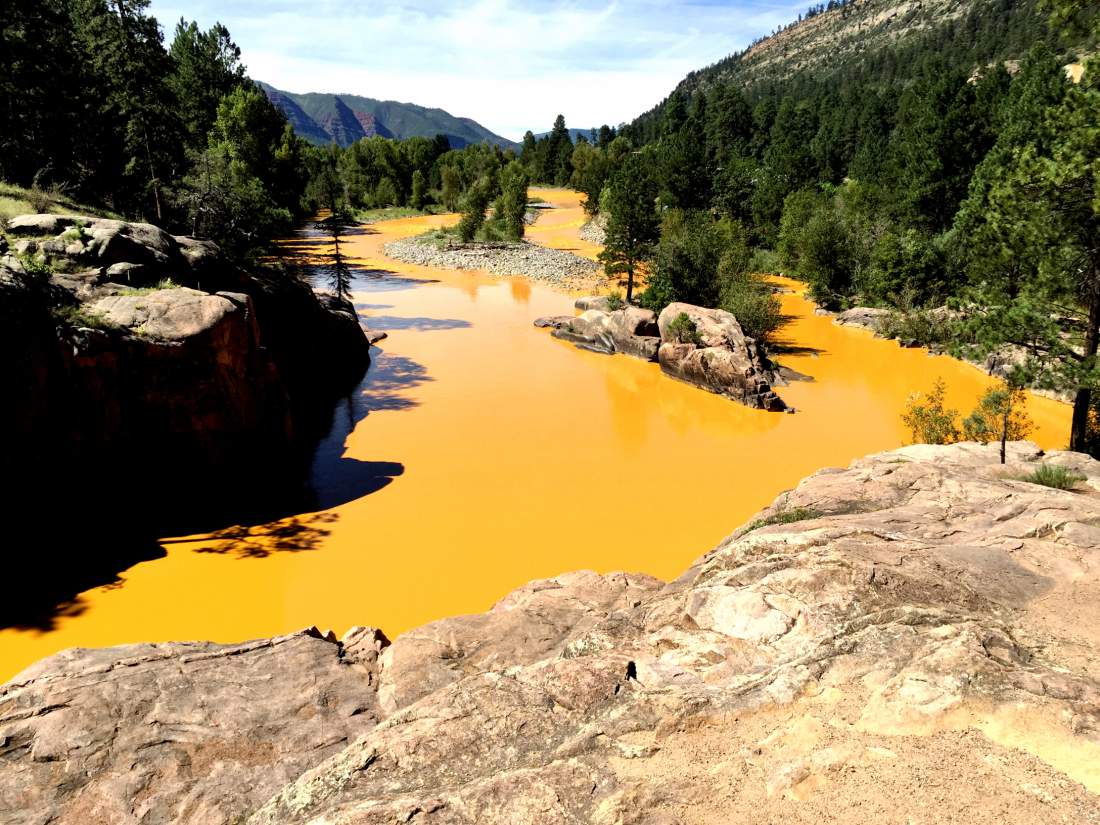
Some of the contaminants that get dumped or can run-off into water are industrial wastes, metals, and chlorine by-products. Some contaminants have been studied as carcinogens:
- Pesticides: atrazine [link: http://www.epa.gov/ogwdw/pdfs/factsheets/soc/atrazine.pdf
- Fertilizers: nitrates
- Water disinfection by-products: trihalomethanes
- Volatile Organic Compounds (VOCs): benzene and carbon tetrachloride
- Dry cleaning solvents: trichloroethylene and perchloroethylene
- Heavy metals: chromium
- Arsenic: long-term exposure to high levels of arsenic in drinking water causes skin, lung, urinary, bladder, and kidney cancer
- Asbestos
- Perchlorate
- Radon
- There are many other possible carcinogens that still need to be identified and studied
Some of these are still found in drinking water, but are kept at very low levels so that they don’t cause cancer. People can help prevent these from getting into drinking water by disposing of waste properly. A list of all drinking water contaminants can be found on the EPA website: Click here